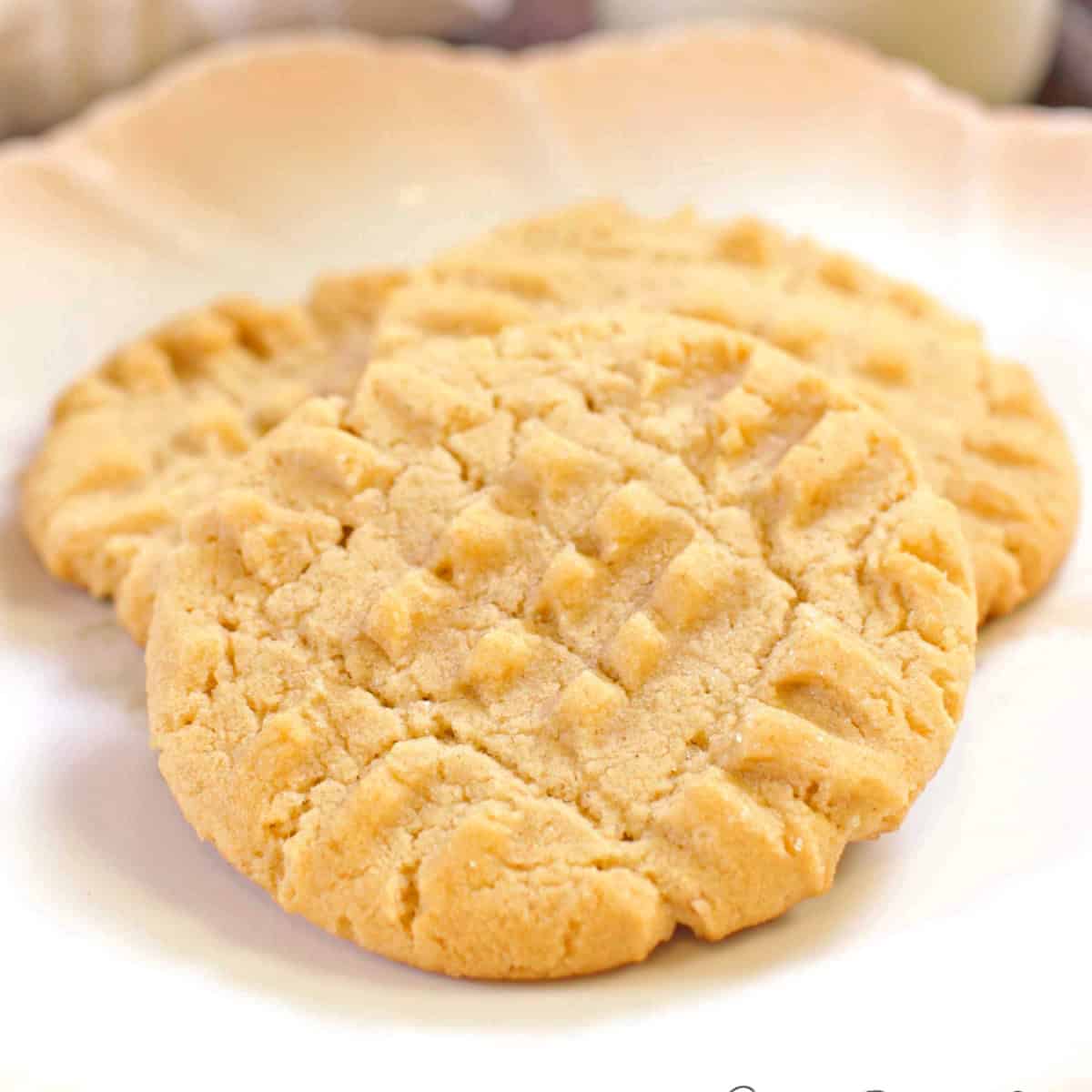
There's a special kind of joy that comes from warm, homemade cookies straight from the oven. But for those times when a full dozen feels like too much, or when an immediate craving strikes, small batch peanut butter cookies are the ultimate answer. Imagine soft, chewy edges, a melt-in-your-mouth tender center, and that undeniable, rich peanut butter flavor – all without the wait of chilling dough. The secret to achieving this blissful balance, especially in a compact recipe, lies deep within understanding each ingredient and its vital role.
For many, the classic peanut butter cookie with its iconic criss-cross fork marks brings back a wave of nostalgia, perhaps from a home economics class or a parent's kitchen. While the memory is sweet, the thought of baking a massive batch might not always appeal. That's where the beauty of a small batch comes in: it's enough to satisfy your craving or share with a loved one, without the temptation of a cookie mountain. And when a recipe promises this perfection without chilling, it means instant gratification is just minutes away.
The Undeniable Appeal of Small Batch Peanut Butter Cookies
Why opt for a smaller quantity when baking? The reasons are numerous and compelling, making small batch peanut butter cookies a game-changer for many home bakers.
- Portion Control & Freshness: While tempting to devour a whole tray, a small batch (typically 6-9 cookies) provides a sensible indulgence, ensuring every cookie is enjoyed at its peak freshness. No more stale cookies lingering for days!
- Instant Gratification: Many small batch recipes, including the best peanut butter cookie versions, require no chilling. This means you can go from craving to cookie in under 30 minutes.
- Less Waste: Smaller ingredient quantities mean less chance of unused dough or excess cookies going to waste.
- Perfect for 1 or 2: Ideal for individuals, couples, or small households who don't need or want a large quantity of baked goods.
- Experimentation Friendly: Small batches are perfect for trying new recipes or tweaking existing ones without committing to a large output.
The texture of these cookies is paramount. We're aiming for a cookie that's wonderfully chewy at the edges, profoundly soft and almost sandy-smooth in the middle (think of a melt-in-your-mouth pecan sandie!), and packed with intense peanut butter flavor, perhaps with a subtle crunch from a sugar coating. Achieving this isn't magic; it's the result of precise ingredient selection and measurement.
Ingredient Secrets for Soft & Chewy Perfection
In a small batch recipe, where the ratios are tight and the margin for error is slim, every ingredient choice carries significant weight. Let's delve into the crucial roles each plays in crafting your ideal small batch peanut butter cookies.
Flour: The Foundation of Structure
All-purpose flour provides the necessary structure for your cookies. However, how you measure it is critically important. For small batch recipes, which often have limited liquid, incorrect flour measurement can quickly lead to dry, crumbly cookies.
- The Spoon and Level Method: Always use the spoon and level method. Gently spoon flour into your measuring cup until it overflows, then level off the excess with the back of a knife.
- Avoid Scoop and Pack: Scooping flour directly from the bag compacts it, adding significantly more flour than intended. This extra flour absorbs too much moisture, resulting in a dense, dry, and potentially crumbly cookie dough that won't spread properly.
Leavening Agents: For That Perfect Lift and Texture
Many cookie recipes use just one leavening agent, but for the optimal soft-chewy balance in chewy small batch peanut butter cookies, a dynamic duo of both baking soda and baking powder is often preferred.
- Baking Soda: Reacts with acidic ingredients (like the molasses in brown sugar) to create gas bubbles, promoting spread and contributing to a tender crumb and chewy texture.
- Baking Powder: A double-acting leavener, it provides an initial lift when mixed with wet ingredients and a second lift when exposed to heat in the oven. This helps achieve those desirable crisp edges and a puffy, soft middle without the cookies spreading too thin.
Butter: Flavor, Spread, and Mouthfeel
Butter is essential for richness, flavor, and contributing to the cookie's spread and tender crumb.
- Unsalted Butter is Key: Using unsalted butter allows you to precisely control the salt content in your small batch. This is particularly important because too much salt can overpower the delicate peanut butter flavor, and too little can make them taste flat.
- Aids Spreading: The fat in butter helps the cookie dough spread evenly as it bakes, preventing them from becoming dry and ensuring a soft, flat profile rather than a cakey one.
Peanut Butter: The Star Flavor
Naturally, the type of peanut butter you use dictates the flavor and can significantly impact the texture of your small batch peanut butter cookies.
- Processed Peanut Butter (like Jif or Skippy): This is the recommended choice for consistent results. Its emulsifiers and stabilizers ensure a uniform texture and fat distribution, making the dough predictable. These tend to yield a chewier, more classic peanut butter cookie.
- Natural Peanut Butter: While delicious, natural peanut butter (especially those with oil separation) can vary greatly in consistency. If you choose to use it, ensure it's stirred exceptionally well until completely smooth and emulsified. Otherwise, the excess oil or dryness can lead to greasy or crumbly cookies.
Sugars: Sweetness, Chewiness, and Crunch
Both brown and white sugars play distinct and critical roles in achieving the ideal cookie texture.
- Brown Sugar (Soft & Moist): This is arguably the most important sugar for chewiness. Its molasses content adds moisture, richness, and that coveted chewy texture. It also reacts with baking soda due to its acidity.
- The Brown Sugar Test: It's vital that your brown sugar is fresh, soft, and moist. Dry, crumbly brown sugar will lead to a dry, crumbly, and difficult-to-work-with dough that won't achieve the desired soft chew. If your brown sugar is hard, revive it by placing it in an airtight container with a slice of bread or a marshmallow overnight.
- White Granulated Sugar: Contributes to overall sweetness and a slightly crisp exterior. Rolling the dough balls in granulated sugar before baking adds a lovely, subtle crunch and beautiful visual appeal to your finished cookies.
Egg Yolk: The Binder of Softness
In a small batch, a whole egg can introduce too much moisture, tipping the scales towards a cakey rather than chewy texture. An egg yolk is the perfect solution.
- Less Moisture: An egg yolk provides richness and helps bind the dough together without adding excessive liquid, which is crucial for achieving a dense, chewy cookie that won't become cake-like.
- Emulsification: The fat and emulsifiers in the yolk also contribute to a smoother dough and better texture.
Salt & Vanilla: The Flavor Boosters
These two ingredients, though small in quantity, are mighty in impact.
- Salt: Essential for balancing sweetness and enhancing all the other flavors, particularly the deep, nutty notes of the peanut butter. In small batch peanut butter cookies, where flavors are concentrated, its presence makes a noticeable difference.
- Vanilla Extract: Just a touch of pure vanilla extract rounds out the flavors, adding warmth and depth that elevate the cookie from merely "good" to "unforgettable."
The Simplicity of No-Chill Baking
One of the greatest delights of a well-formulated small batch peanut butter cookie recipe is the absence of a chilling period. This isn't just about speed; it's about the dough's composition. With careful balance of fats and sugars, the dough holds its shape perfectly without needing to firm up in the refrigerator. This allows you to mix, scoop, mark with those classic fork criss-crosses, and bake almost immediately. It’s perfect for a spontaneous baking session or when that cookie craving simply cannot wait!
Conclusion
Crafting the perfect soft and chewy small batch peanut butter cookies is an art form rooted in science. By understanding the specific roles of each ingredient – from the precise measurement of flour to the moisture content of brown sugar and the binding power of an egg yolk – you gain the power to consistently produce cookies that are chewy on the edges, wonderfully soft in the center, and bursting with peanut butter flavor. Forget the days of dry, crumbly cookies; embrace these ingredient secrets, and unlock a world of delectable, guilt-free small batch baking satisfaction. Now, go forth and bake your new favorite cookie!
